Afternoon everyone ….
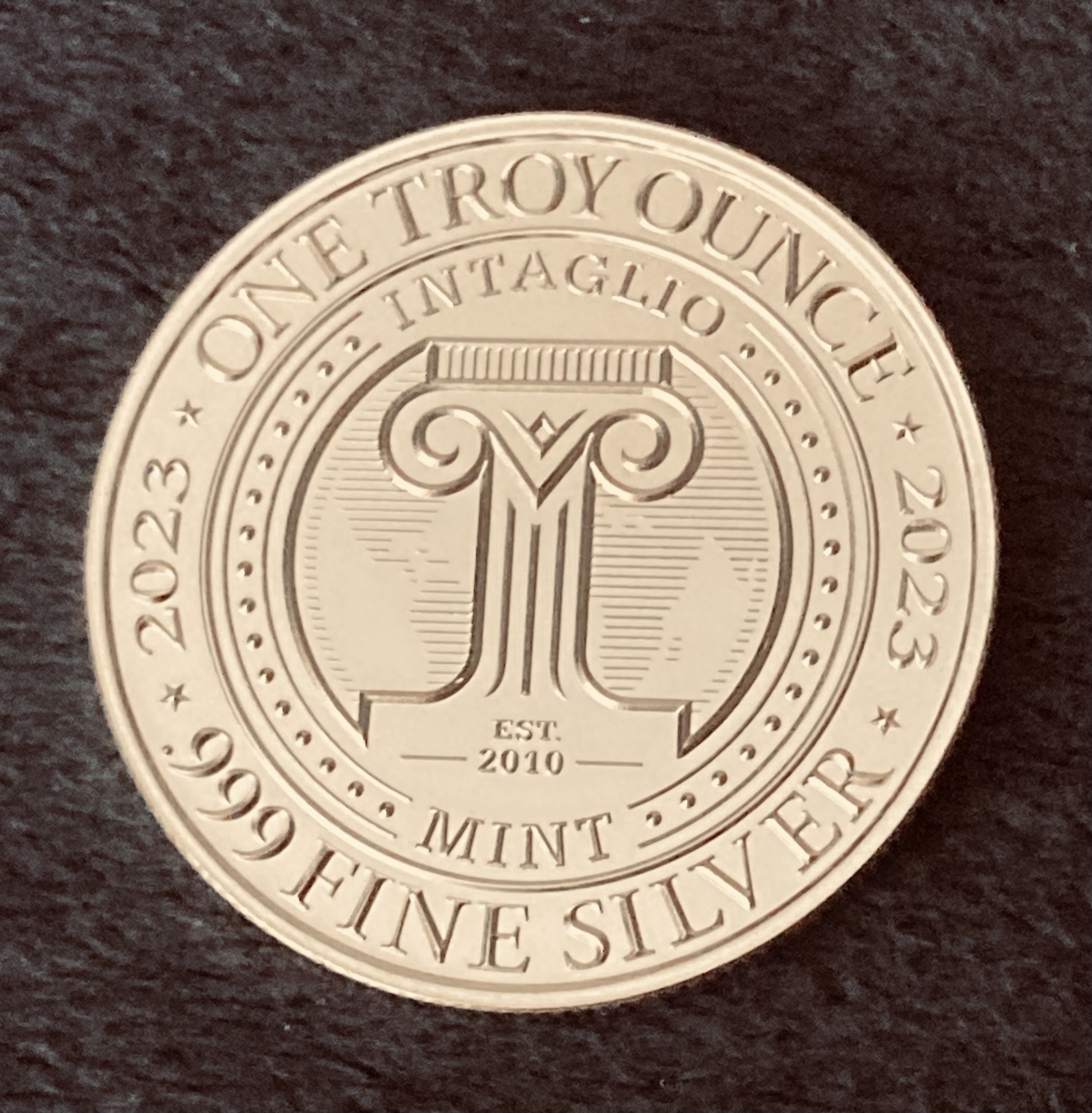
I’m back with yet another round from the Intaglio Mint.
I have always been interested in ancient Japanese culture and history. The rise and fall of the Samurai, is an incredible read.
So when I saw this piece from the Intaglio Mint. I had to have it. The ancient Hapanese culture was huge with masks of all kind of different meanings.
This particular round is of a Namahage mask.
What is the Meaning of Namahage?
What is Namahage? Namahage ( なまはげ ) is a folk event unique to the Oga Peninsula in Oga city, Akita Ken. The word derives from combining the Japanese word for erythema (namomi) caused by idling next to a fire for a long period in order to avoid the winter cold, and the word for tearing off (hagu) the reddish lumps that can build on the skin as a result. The demon-like gods who warn those slacking off from work and their studies became known as Namahage. The purpose is to remind people to continue to work hard.
There are various theories as to the origin of these fearsome demons. One legend says that a village suffered from the evil doings of five demons. To combat the problem, a deal was made: If the demons could build a thousand stone steps leading up to the Akagami Shrine Goshado in a single night, they would offer a girl in return. However, if the demons failed, they had to leave the village forever. The five demons made it as far as the 999th step, but when they were about to set the last stone, the villagers interfered by imitated the morning crow of a rooster. Thinking it was a voice from heaven, the dissapointed demons ran away from the village, never to return.
Here is the round….

You received an upvote of 100% from Precious the Silver Mermaid!
Thank you for contributing more great content to the #SilverGoldStackers tag.
You have created a Precious Gem!
I love the ancient Japanese as well. Japan is very high on my list of places to go visit. Ive also been hoping to save up cash I don't need to buy an old katana. Or Shin Gunto. Some of the WWII "trophies" brought back to the US pop up on auctions sometimes.
Thank you for sharing such a detailed and fascinating explanation of Namahage! This goes far beyond the simple image of "demons" that many might associate with the tradition. The linguistic breakdown of the name itself—connecting namomi (erythema) and hagu (to tear off)—is particularly enlightening. It roots the ritual deeply in the practical realities and harsh winters of Akita's history, transforming it from a mere performance into a profound cultural metaphor.
It’s intriguing how this custom personifies societal values like diligence and community responsibility into tangible, awe-inspiring figures. The Namahage serve as a collective conscience, a dramatic, intergenerational reminder that hard work is essential for survival and harmony. What strikes me most is the psychological duality: they are terrifying to instill a lesson, yet ultimately benevolent, as they drive away laziness to bring blessings for the new year. This balance between fear and care is profound.
In a modern context, it makes me wonder how such traditions adapt. Is the warning now less about literal idleness by the fire and more a general nudge against complacency? Your post beautifully captures how folklore preserves the wisdom of a community’s past, ensuring its core values continue to resonate, even as the world outside changes dramatically.
I'm sure the father of the sacrificial girl performed an excellent impression of a crowing rooster.
!PIMP
Thank you