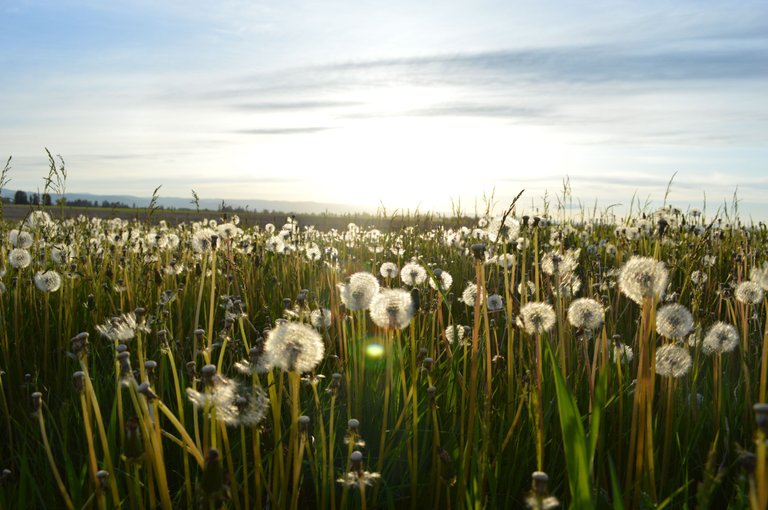
Photo by Jason Long on Unsplash
seeds glide a summer zephyr -
sun-kissed buds burst.

The basic definition of Haiku is-- an objective, Japanese short poem based on a nature theme. Haiku should have three lines consisting of the following number of syllables per line-- five, then seven, then five.
True haiku should contain one or two images that have a simplicity and clarity that actually become transcendent.
The analogy has been posited of Haiku as the artistic equivalent of the practice of Zen Buddhism. By reflecting a simple moment of perfection, one finds the universal moment.
The haiku in this post attempts to capture what Japanese Haiku masters call Kigo (季語):
an explicit or implicit reference to a season, that defines the time of the year in which the haiku is composed.
Along with Yūgen (幽玄):
a sense of wonder and mystery representing the state of mind produced by the inexplicable fascination of things, the feeling of an 'other' universe, full of mysterious unity.
To read more about the aesthetics of true haiku, and the difference between haiku and senryu, please check out my post: Haiku Vs Senryu - The Aesthetics of Form
All images in this post are creative commons license, linked below pictures. If you have enjoyed this Haiku, please check out my homepage @raj808 for similar content. Thank you.


 Click banner to buy anthology
 Click banner to visit the community page