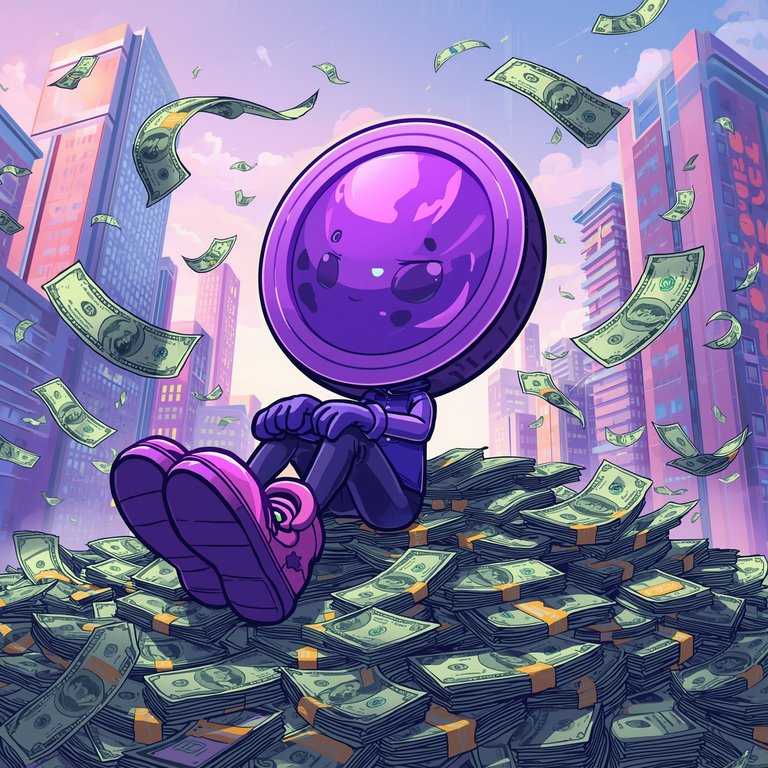
 . Here is a All crypto Pic àsset digital artwork I’m sharing for NFT Marketing 2025.”
NFT Market Cap Shrinks by $1.2B as Ethereum Rally Cools Down
In recent years, the crypto industry has captured headlines with its explosive growth, and one of the most talked-about sectors has been non-fungible tokens (NFTs). From digital art and collectibles to gaming assets and virtual land, NFTs created a multi-billion-dollar market in just a short span of time. However, like any other fast-moving industry, the NFT market is highly dependent on broader crypto trends, especially the performance of Ethereum (ETH), the blockchain that powers most NFT projects.
Recently, the NFT market has faced a significant decline, with its total capitalization dropping by almost $1.2 billion. This sudden dip is closely connected to the cooling momentum of Ethereum’s price rally. As ETH lost some steam, enthusiasm in the NFT sector also weakened, showing once again how strongly both markets are interlinked.

Why the Drop Happened
The crypto market operates in cycles of excitement and correction. In July and early August, Ethereum experienced a noticeable rally as investors anticipated upgrades, rising network activity, and overall market optimism. But as the rally started to fade, the buying pressure also slowed down.
NFTs, being heavily priced and traded in ETH, felt the impact almost immediately. When ETH is in an uptrend, NFT buyers often feel more confident, willing to spend, and speculators jump in. But when ETH shows signs of slowing or correcting, NFT traders tend to hold back, causing demand to dip. This time, the result was a sharp $1.2 billion reduction in NFT market value, raising questions about whether the NFT hype is sustainable in the long run.

NFTs and Ethereum – A Symbiotic Relationship
Most NFTs are minted, traded, and valued in Ethereum. That means the fate of NFTs is closely tied to ETH’s performance. When Ethereum prices surge, NFT floor prices often appear more attractive in dollar terms, and this encourages new buyers. However, when ETH loses momentum, many investors pull liquidity out of NFTs to secure profits or reduce risk.
This isn’t the first time the NFT market has shown such correlation. We saw a similar trend during 2021, when ETH’s strong bullish rally fueled record-breaking NFT sales, including multi-million-dollar artwork purchases. On the flip side, when Ethereum entered a bearish phase in 2022, NFT markets cooled dramatically, with trading volumes falling by more than 70%.
The latest dip is another reminder that NFTs are not isolated from broader crypto market forces—they are, in fact, deeply interconnected.
Investor Sentiment and Market Psychology
The crypto market is not only about technology; it’s also heavily influenced by investor psychology. The NFT boom was initially driven by excitement, speculation, and the “fear of missing out” (FOMO). Many investors rushed to buy NFTs hoping their value would skyrocket in the future.
But as the market matures, people are becoming more cautious. The recent decline in NFT market cap suggests that investors are paying closer attention to fundamentals, such as the utility of NFT projects, long-term use cases, and real-world adoption. Simply launching flashy collections or hyped-up drops is no longer enough to sustain growth.
Expert Views on the Correction
Market analysts are calling this $1.2B decline more of a short-term correction rather than the beginning of a long-term collapse. According to many experts, this adjustment is natural in any volatile market.
They highlight three key points:
- Ethereum Consolidation – ETH is still trading at relatively strong levels compared to its 2022 lows, and some cooling down was expected after its recent surge.
- Healthy Market Behavior – Corrections often remove speculative excesses, paving the way for stronger, utility-driven projects to shine.
- Future NFT Growth – NFTs are slowly moving beyond art and collectibles into areas like gaming, real estate, music royalties, and digital identity. These use cases may provide more stability in the future.
Lessons for Investors
For investors, the recent market dip is an important reminder: NFTs are not risk-free assets. Just like cryptocurrencies, their value can fluctuate dramatically within short periods. Some key lessons include:
Diversification is essential – Instead of putting all funds into NFTs, balancing investments across different asset classes can reduce risk.
Focus on utility-driven projects – Projects with real-world applications, strong communities, and long-term development plans have a better chance of surviving market cycles.
Avoid chasing hype – Many people entered NFTs during peak excitement, only to watch their investments lose value later. Patience and careful research are far more effective strategies.
The Road Ahead
Despite the recent decline, the future of NFTs is not all negative. In fact, many signs suggest the market is evolving towards maturity. Major global brands, sports leagues, and entertainment companies are experimenting with NFTs as tools for fan engagement, digital ownership, and loyalty programs.
Moreover, Ethereum itself continues to innovate, with upgrades aimed at scalability, reduced fees, and better network efficiency. As these improvements roll out, the NFT ecosystem could benefit significantly.
While speculative bubbles may burst, real innovation always survives. Just like the dot-com crash in the early 2000s didn’t kill the internet but instead cleared the way for sustainable businesses, the NFT space might also experience a similar transformation.
Conclusion
The $1.2 billion drop in NFT market capitalization highlights how closely the sector is tied to Ethereum’s performance. While short-term corrections may worry some investors, they are also signs of a market finding its balance. NFTs are no longer just about hype; their survival now depends on real-world applications and sustainable innovation.
For investors and enthusiasts, this is not the end of NFTs but rather a phase of transition. The projects that focus on genuine value, strong communities, and long-term vision will emerge stronger, while speculative ventures may fade away.
In the end, the NFT market’s journey is just beginning. Temporary declines are part of the process, but the potential for digital ownership, decentralized creativity, and new economic models remains as exciting as ever.
📌 Hashtags:
#NFT #Ethereum #CryptoNews #Blockchain #DigitalAssets #CryptoMarket #ETH #NFTCommunity #CryptoUpdate #HiveBlog