Germs are not human friends, we know them to significantly cause sickness for humans, antimicrobials on the other hand, provide significant help to humans as they come in the form of antivirals, antifungals, antiparasitic, and antibiotics. These medicines are used for the treatment of infectious diseases in humans, animals, and even plants.
When viruses, fungi, bacteria, and parasites stop responding to antimicrobial medicine is what is called Antimicrobial Resistance (AMR). As a result of this resistance to drugs, it becomes very difficult or rather impossible to treat, this will create an avenue for serious illness, a vast spread of disease, disability, and eventual death.
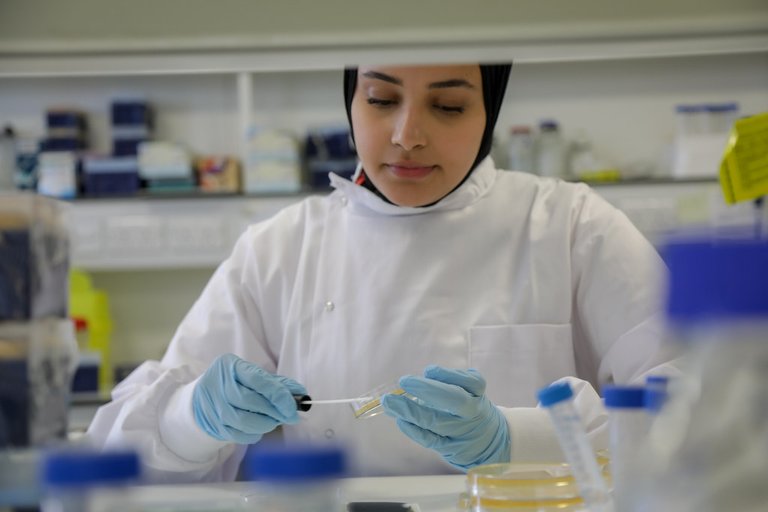
flickr.com
Antimicrobial resistance can affect people at any stage, regardless of age and size, health care professionals are also not left out, and this makes it one of the world's most urgent public health issues. Resistance to a single antibiotic could cause serious problems, it doesn't have to affect all antibiotics for it to be a problem.
Genetic changes in pathogens are what trigger AMR which is a natural process, but its spread and emergence occur through human activities majorly the abuse of antimicrobials for treatment, control, and prevention of infections. The significant impact of AMR on plants and animals significantly reduces the production of food on farms and certainly threatens food security.
AMR has a significant overall cost for both health systems and national economies, creating the need for more intensive and expensive care, affecting the productivity of both sick patients and their caregivers who need to stay for days, weeks, or even months in hospitals.
Human factors such as; improper hygiene, lack of access to clean water, prevention of disease, poor infection, poor access to affordable vaccines lack of awareness/knowledge, overuse of antibiotics, misuse of antibiotics, transmitted resistance, and vulnerable populations significantly contribute to the AMR effect.

picpedia.org
Antifungals and antibiotics greatly save lives, but the use of these helpful products can significantly contribute to the development of germ resistance. Resistance to anti-microbes is increased when antifungals and antibacterials pressure fungi and bacteria to adapt.
While antifungals and antibiotics kill germs that cause infection, they can also kill helpful germ that protects the body from infection, and to survive, these germs could develop strategies against antifungals and antibiotics called resistance mechanisms.
The use of antimicrobials in agriculture.
Antimicrobials play a significant role in the treatment of food diseases in animals and plants, these medicines are used in the treatment of already sick animals or for the control of disease spread on the farm or within a flock. In some other cases, antimicrobial substances are used to treat microbial diseases in plants. They are also used to prevent anticipated diseases in animals and plants.
But when there is a case of resistance, it is usually not friendly, a global research carried out on antimicrobial resistance study shows that bacterial infections that are non-resistant, contribute to almost five million deaths of humans in the year 2019. Besides the negative effect of antimicrobial resistance on animals and plants, they also pose a strong risk to livelihoods, economy, and food systems.
Some groups of humans are at more risk based on health status or living environment, these categories of affected individuals include; adults who are above the age of 65, babies born prematurely, people who live in overcrowded regions, people who take antibiotics for a long term, and certainly those with a compromised immune system.
Knowing how terrible resistance to antibiotics could be, we must learn how to combat them;
Through the practice of good hygiene: When you practice good hygiene, it is possible to protect yourself from every form of infection that will push you to need antibiotics, the more antibiotics you use, the more the ability for resistance to grow increases. Washing of the hands is a very important step to take.
Vaccination is important, especially for children who are under the age of two. Avoiding viral infections will help prevent the symptoms leading you to the intake of improper antibiotics.
Taking antibiotics only when they are required, and knowing when they are required is through talking with a doctor who will recommend the best one for you. You may think you need an antibiotics when in actual sense you do not need one.
References.
https://www.who.int/news-room/fact-sheets/detail/antimicrobial-resistance
https://www.cdc.gov/drugresistance/about.html
https://www.cdc.gov/drugresistance/about/how-resistance-happens.html
https://my.clevelandclinic.org/health/articles/21655-antibiotic-resistance
https://www.fao.org/antimicrobial-resistance/background/what-is-it/en/
This is a must-read!
Globally, the antimicrobial resistance implies an important concern that affects humans, animals and plants.
Your article gives useful advice toward addressing AMR through hygiene practices and correct use of antibiotics among others.
Thank you for sensitizing us on this pressing matter of public health importance.
Thanks for your contribution to the STEMsocial community. Feel free to join us on discord to get to know the rest of us!
Please consider delegating to the @stemsocial account (85% of the curation rewards are returned).
Thanks for including @stemsocial as a beneficiary, which gives you stronger support.