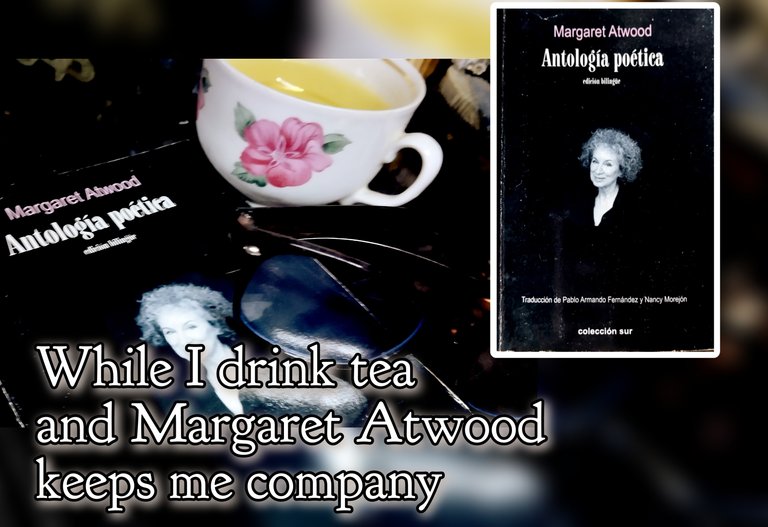
The first day of the year always seems to shout at us to be full of promises, resolutions, and often empty joys. But I have always preferred, on any day whatsoever, the whisper of introspection. In that quiet, I have not sought out one of those intense and masterful novels by Margaret Atwood, the kind that have left me breathless. I have preferred something more intimate: her Bilingual Poetry Anthology, a true jewel.
I prepared myself a steaming cup of chamomile tea, adding a splash of milk, which has been the perfect companion for my reading. It could not be that urgent morning coffee, but this tea which gives me calm and invites me to linger with the verse on my lips.
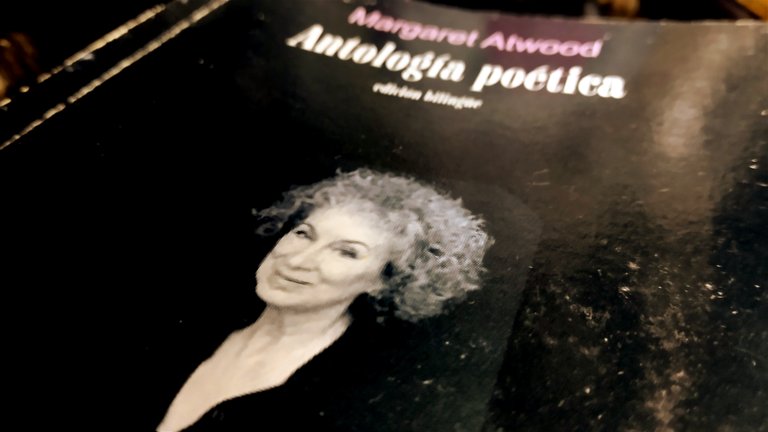
The Atwood here is the same and yet another. She has the same lucid gaze, sometimes ruthless and precise, that never tires of dissecting the mechanisms of power, love, pain, and myth. But here, unlike in her novels, there are no characters behind which to hide, for she speaks to us directly, most often in the first person, and it seems she is piercing through us without intermediaries. Here we are witnessing the novelist's nakedness.
As the chamomile warms my hands on this winter morning, I open the book at random and come across: "The Woman Who Could Not Live With Her Faulty Heart," and I feel my insides freeze. Suddenly the tea tastes like something more. It tastes like the awareness that in love there is never a naive refuge, that it is more a negotiated territory, a space where people try not to wound each other. It is inevitable, while reading, to feel that the milk in my tea is the attempt to soften the bitter.
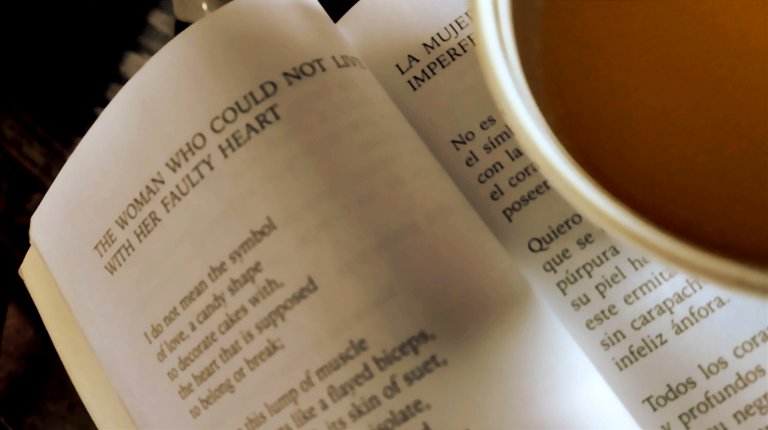
Margaret Atwood, that same great woman who kept us bound to "The Handmaid's Tale," does not let you settle gently into her verse, which to me often feels like walking on the sharp edge of a razor blade. In many of her poems, she relies on the concept that the body is not a temple, but a historical artifact, a site of battles, even a jungle.
I cannot help but read her verses and inadvertently take my cup and feel that I am holding in my hands a sustained heartbeat over an abyss.

She is a master when it comes to speaking of the end of things, be it relationships, species, or worlds, and with a clarity that is not cold but compassionate, like an archaeologist of dead emotions who then takes pride only in showing us the fossils.
My chamomile is finishing, leaving a herbaceous and sweetish residue at the bottom of the cup, and I think that is precisely why I chose it on a day like today. Because Atwood's poetry is anything but sweet; it is generally quite bitter, yet healing and always, always true.

I close the book, my cup now empty, and convince myself that this anthology is not a place to take refuge from the world. It is an instrument to see it with greater clarity, for she does not offer us easy comforts but rather an intelligent and simultaneously fierce companionship.
My first review of 2026 is not, in the end, about a book. It is rather about a moment stolen for this ritual of tea and poetry, as I am overcome by the certainty that I need, as Atwood does in every poem, to learn to name things anew: to always call pain, pain; fear, fear; and perhaps to call hope this stubborn gesture of mine, taking my hot cup of tea while opening a book, no matter that outside the world continues, complex and fierce.
Until the next book!

✨ 𝑻𝒉𝒂𝒏𝒌𝒔 𝒇𝒐𝒓 𝒓𝒆𝒂𝒅𝒊𝒏𝒈! ✨
𝑰𝒇 𝒚𝒐𝒖 𝒅𝒐𝒏’𝒕 𝒌𝒏𝒐𝒘 𝒎𝒆 𝒚𝒆𝒕, 𝑰’𝒎 𝒂 𝑪𝒖𝒃𝒂𝒏 𝒏𝒆𝒖𝒓𝒐𝒍𝒐𝒈𝒊𝒔𝒕 𝒂𝒏𝒅 𝒘𝒓𝒊𝒕𝒆𝒓, 𝒂 𝒎𝒐𝒕𝒉𝒆𝒓, 𝒂 𝒘𝒐𝒎𝒂𝒏, 𝒂𝒏𝒅 𝒂 𝒅𝒓𝒆𝒂𝒎𝒆𝒓 𝒘𝒉𝒐’𝒔 𝒇𝒐𝒖𝒏𝒅 𝒊𝒏 𝑯𝒊𝒗𝒆 𝒂 𝒃𝒆𝒂𝒖𝒕𝒊𝒇𝒖𝒍 𝒔𝒑𝒂𝒄𝒆 𝒕𝒐 𝒔𝒐𝒂𝒓.
𝑨𝒍𝒍 𝒕𝒆𝒙𝒕 𝒂𝒏𝒅 𝒊𝒎𝒂𝒈𝒆𝒔 𝒂𝒓𝒆 𝒎𝒚 𝒐𝒓𝒊𝒈𝒊𝒏𝒂𝒍 𝒄𝒓𝒆𝒂𝒕𝒊𝒐𝒏𝒔, 100% 𝒉𝒖𝒎𝒂𝒏-𝒎𝒂𝒅𝒆 (𝒏𝒐 𝑨𝑰).
𝑩𝒂𝒏𝒏𝒆𝒓 𝒅𝒆𝒔𝒊𝒈𝒏𝒆𝒅 𝒃𝒚 𝑳𝒖𝒎𝒊𝒊.
𝑳𝒐𝒗𝒆𝒅 𝒕𝒉𝒊𝒔 𝒑𝒐𝒔𝒕? 𝑼𝒑𝒗𝒐𝒕𝒆, 𝒄𝒐𝒎𝒎𝒆𝒏𝒕, 𝒐𝒓 𝒓𝒆𝒃𝒍𝒐𝒈 𝒕𝒐 𝒔𝒑𝒓𝒆𝒂𝒅 𝒕𝒉𝒆 𝒘𝒊𝒏𝒈𝒔 𝒐𝒇 𝒄𝒓𝒆𝒂𝒕𝒊𝒗𝒊𝒕𝒚! 💛

VERSIÓN EN ESPAÑOL
Mientras tomo té y me acompaña Margaret Atwood || Reseña
El primer día del año siempre parece gritarnos que estemos llenos de promesas, propósitos y alegrías a menudo vacías. Pero yo siempre he preferido, en cualquier día, el susurro del recogimiento. En esa quietud, no he buscado una de esas novelas intensas y magistrales de Margaret Atwood, de las que me han dejado sin aliento. He preferido algo más íntimo: su Antología Poética Bilingüe, una verdadera joya.
Me preparé una taza humeante de té de manzanilla, añadiéndole un chorro de leche, que ha sido el compañero perfecto para mi lectura. No podía ser ese café urgente de la mañana, sino este té que me da calma y que invita a quedarme con el verso en la boca.
La Atwood de aquí es la misma y es otra. Tiene la misma mirada lúcida, a veces despiadada y precisa, que no se cansa de diseccionar los mecanismos del poder, del amor, del dolor y del mito. Pero aquí, a diferencia de en sus novelas, no hay personajes tras los que esconderse, pues nos habla de frente, la mayoría de las veces en primera persona, y parece que nos está atravesando sin intermediarios. Aquí estamos asistiendo a la desnudez de la novelista.
Mientras la manzanilla me calienta las manos en esta mañana invernal, abro el libro al azar y me encuentro con: "La mujer que no podía vivir con su imperfecto corazón", y siento que se me hielan las entrañas. De pronto el té sabe a algo más. Sabe a la conciencia de que en el amor nunca hay un refugio ingenuo, que es más un territorio negociado, un espacio donde las personas intentan no lastimarse. Es inevitable, mientras leo, sentir que la leche de mi té es el intento de suavizar lo amargo.
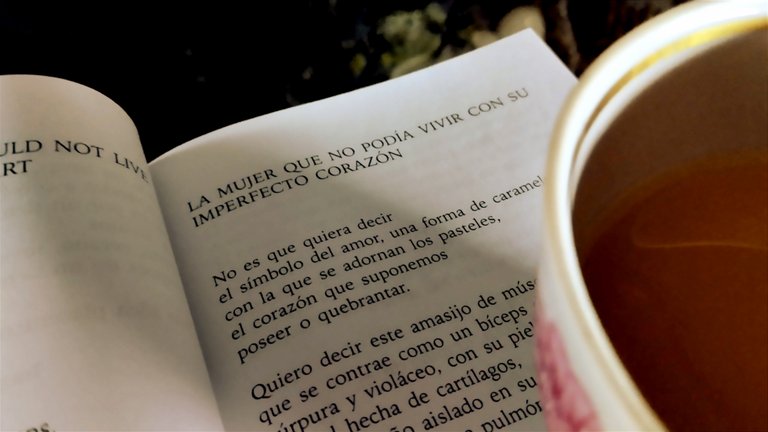
Margaret Atwood, esa misma gran mujer que nos mantuvo atados a "El cuento de la criada", no te deja instalarte con dulzura en su verso, que a mí muchas veces se me antoja como caminar en el filo de una navaja. En muchos de sus poemas recurre al concepto de que el cuerpo no es un templo, sino un artefacto histórico, un sitio de batallas, incluso una jungla.
No puedo evitar leer sus versos y, sin querer, tomar mi taza y sentir que tengo en mis manos un latido sostenido sobre un abismo.
Es una maestra en lo que concierne a hablar del fin de las cosas, ya sea de relaciones, de especies, de mundos, y con una claridad que no es fría, sino compasiva, como una arqueóloga de sentimientos que han muerto y que entonces solo se vanagloria de enseñarnos los fósiles.
Mi manzanilla se va terminando, y va dejando un fondo herbáceo y dulzón en el fondo de la taza, y pienso que justamente por eso la elegí un día como hoy. Porque la poesía de Atwood es todo menos dulce; generalmente es muy amarga, pero a la vez sanadora y siempre, siempre verdadera.
Cierro el libro, ya con mi taza vacía, y me convenzo de que esta antología no es un lugar para refugiarse del mundo. Es un instrumento para verlo con mayor nitidez, pues ella no nos da consuelos fáciles, sino una compañía inteligente y a la vez feroz.
Mi primera reseña del 2026 no es, al fin, sobre un libro. Es más bien acerca de un instante robado a este ritual de té y poesía, mientras me invade la certeza de que necesito, como hace Atwood en cada poema, aprender a nombrar de nuevo las cosas: y siempre llamar dolor al dolor, miedo al miedo, y quizás llamar esperanza a este gesto empecinado mío de tomar mi taza de té caliente mientras abro un libro, sin importar que afuera el mundo continúe, complejo y feroz.
¡Hasta el próximo libro!

✨ ¡𝑮𝒓𝒂𝒄𝒊𝒂𝒔 𝒑𝒐𝒓 𝒍𝒆𝒆𝒓! ✨
𝑺𝒊 𝒂ú𝒏 𝒏𝒐 𝒎𝒆 𝒄𝒐𝒏𝒐𝒄𝒆𝒔: 𝒔𝒐𝒚 𝒏𝒆𝒖𝒓ó𝒍𝒐𝒈𝒂 𝒚 𝒆𝒔𝒄𝒓𝒊𝒕𝒐𝒓𝒂 𝒄𝒖𝒃𝒂𝒏𝒂, 𝒎𝒂𝒅𝒓𝒆, 𝒎𝒖𝒋𝒆𝒓 𝒚 𝒔𝒐ñ𝒂𝒅𝒐𝒓𝒂 𝒒𝒖𝒆 𝒆𝒏𝒄𝒐𝒏𝒕𝒓ó 𝒆𝒏 𝑯𝒊𝒗𝒆 𝒖𝒏 𝒉𝒆𝒓𝒎𝒐𝒔𝒐 𝒆𝒔𝒑𝒂𝒄𝒊𝒐 𝒑𝒂𝒓𝒂 𝒗𝒐𝒍𝒂𝒓.
𝑬𝒍 𝒕𝒆𝒙𝒕𝒐 𝒚 𝒍𝒂𝒔 𝒊𝒎á𝒈𝒆𝒏𝒆𝒔 𝒔𝒐𝒏 𝒅𝒆 𝒎𝒊 𝒂𝒖𝒕𝒐𝒓í𝒂, 100% 𝒉𝒖𝒎𝒂𝒏𝒐𝒔 (𝒔𝒊𝒏 𝑰𝑨).
𝑩𝒂𝒏𝒏𝒆𝒓 𝒅𝒊𝒔𝒆ñ𝒂𝒅𝒐 𝒑𝒐𝒓 𝑳𝒖𝒎𝒊𝒊.
¿𝑻𝒆 𝒈𝒖𝒔𝒕ó 𝒆𝒔𝒕𝒂 𝒑𝒖𝒃𝒍𝒊𝒄𝒂𝒄𝒊ó𝒏? 𝑽𝒐𝒕𝒂, 𝒄𝒐𝒎𝒆𝒏𝒕𝒂 𝒐 𝒓𝒆𝒃𝒍𝒐𝒈𝒖𝒆𝒂 𝒑𝒂𝒓𝒂 𝒂𝒚𝒖𝒅𝒂𝒓 𝒂 𝒅𝒆𝒔𝒑𝒍𝒆𝒈𝒂𝒓 𝒆𝒔𝒕𝒂𝒔 𝒂𝒍𝒂𝒔. 💛
You received an upvote ecency