INTRODUCTION
Obesity is a growing global health concern, affecting millions of people and increasing the risk of chronic diseases. As a pharmacist, I see firsthand how obesity impacts medication effectiveness, overall health, and even mental well-being. In this post, I'll explore the causes, risks, and evidence-based solutions for managing obesity

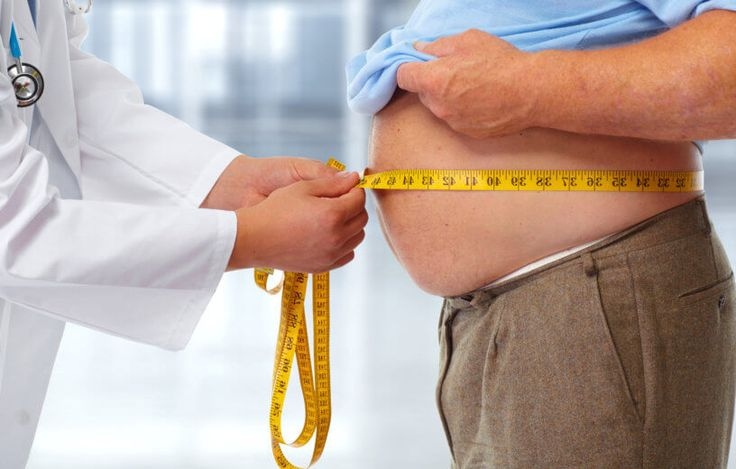
Obesity is a complex, chronic medical condition characterized by an excessive accumulation of body fat that poses a significant risk to an individual's health and well-being. It is typically quantified using the Body Mass Index (BMI), a measurement derived from a person's weight and height. According to the World Health Organization (WHO), a BMI of 30 kg/m² or higher is classified as obese.
Obesity results from a chronic imbalance between calorie intake and calorie expenditure, often influenced by genetic, behavioral, environmental, and socioeconomic factors.

WHAT CAUSES OBESITY?
- Poor Diet Choices – High-calorie, processed foods contribute significantly.
- Sedentary Lifestyle – Lack of physical activity leads to weight gain.
- Genetics – Some people have a genetic predisposition to obesity.
- Medications – Some drugs, like antidepressants or corticosteroids, can cause weight gain.
- Hormonal Imbalance – Conditions like hypothyroidism or PCOS contribute to obesity.

HEALTH RISKS OF OBESITY
- Diabetes (Type 2) – Excess fat affects insulin sensitivity.
- Hypertension – Increased fat leads to higher blood pressure.
- Heart Disease & Stroke – Obesity is a major cardiovascular risk factor.
- Joint Pain & Arthritis – Extra weight puts stress on joints.
- Mental Health Issues – Depression and anxiety are common in obesity.

HOW TO MANAGE & PREVENT OBESITY
- Healthy Diet – Eat whole foods, reduce sugar, and control portion sizes.
- Exercise Regularly – At least 30 minutes of activity per day.
- Intermittent Fasting – Helps regulate metabolism and weight loss.
- Medications (If Necessary) – Under medical supervision.
- Behavioral Therapy – Helps manage emotional eating.
FINAL THOUGHTS
Obesity is complex but manageable with the right approach. As a pharmacist, I always emphasize lifestyle changes, proper medication use, and medical guidance to help individuals on their weight-loss journey.
What are your thoughts on obesity and weight management? Have you tried any weight-loss strategies that worked? Let’s discuss in the comments!
Obesity might be associated with other diseases and needs to be worked on
This is very true, obesity is not only a health condition on its own but also a major risk factor and comorbidity driver for several other diseases.
Yes that is a issue but we keep hoping for the Best
Me on the other is trying to gain weight but no matter how much I eat, nothing , I've tried taking more sugar and also increasing protein intake per day. still the same 😂. Taking more sugar made me start experiencing cramps during my period.. eating plenty food makes me easily get bloated...
Any thoughts
That's true, it means you have a very fast metabolism. I will make a post on that as well