Hello Splinterlands warriors and gamers out there.
We’ve entered the year 2026. This year feels strange. Prices keep rising as if they’ve forgotten how to go down. Time feels shorter, while the list of needs only keeps getting longer. In the middle of this situation, “get rich quick” promises pop up everywhere—sounding convincing, but with the tone of an advertisement: bold enough to promise everything, yet never willing to take responsibility.
Amid all that noise, many people aren’t actually chasing luxury. They simply want to live a little more calmly in 2026. Nothing complicated: they want some enjoyment, while their basic needs are still met. Enough fuel until the end of the month, the electricity stays on, and a small reserve in case the family suddenly needs something.
This is where Splinterlands comes in. It’s not a superhero. Not a savior either. No lab coat involved. No complicated charts like in investor presentations. What it requires is spare time, patience—often underestimated—and the courage to admit that we’ve chosen the wrong strategy before. Because in Splinterlands, just like in life, mistakes are not the end of the story—as long as we’re willing to learn.
Splinterlands Is a Game That Can Generate Income
The first thing that must be agreed on from the start, to avoid misunderstandings: nothing is guaranteed. Splinterlands is a game. NFTs can go up or down. Tokens can be green this morning and red by the afternoon. But that’s exactly where its honesty lies. It promises nothing but opportunity—and opportunity doesn’t come on its own. It has to be sought, nurtured, and sometimes patiently waited for.
From these NFT cards, hopes are slowly gathered. A collection built little by little, earned through playing, writing, and the occasional stroke of luck. When finances get tight, some of those cards are forced to be sold. Thankfully, cards can be sold. Bills get paid.
At that point, Splinterlands stops being just a game. It turns into something you can rely on when circumstances aren’t friendly.
1. Battling: Win, Lose, Earn SPS
Every time you enter ranked battles, tournaments, or guild brawls, what’s at stake isn’t just your rating, but also SPS. Winning means tokens come in. Losing means learning. On top of SPS, there’s Glint flowing along—like small change that, when collected over time, actually adds up.

Glint is earned from gameplay activities and can be exchanged for reward cards or chests in the Glint Shop. At the end of each season, the result feels like a digital bonus. Not big. Not exciting. But enough to bring a small smile.
What’s interesting is that Splinterlands doesn’t demand everyone to be highly skilled. It demands persistence. Playing regularly, understanding the rules, learning from defeats. Just like life: it’s not always the smartest who win, but often the most patient who survive.
2. Writing & Storytelling on Hive
This part is often underestimated, even though this is where many “ordinary” people find their way. Housewives. Remote workers. People without large capital, but with stories and willingness.
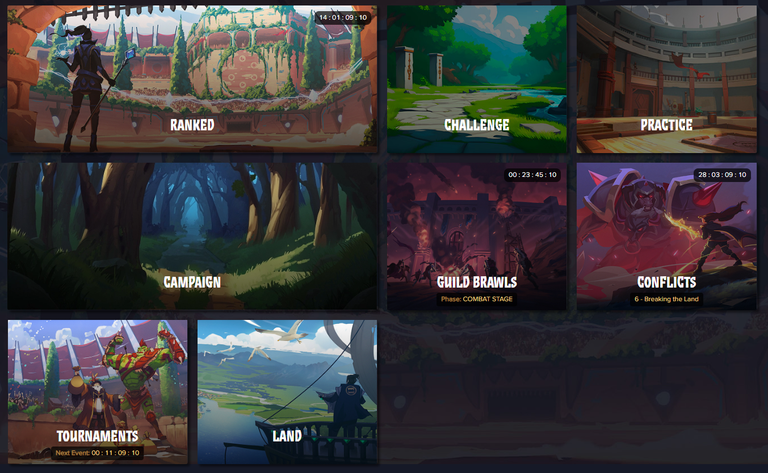
By writing Splinterlands content on the Hive Blockchain, we can earn HBD and Hive Power through community upvotes. The format is flexible: articles, daily notes, strategies, or videos on 3Speak. There are also weekly Challenges that encourage people to stay active and creative.
There’s no guarantee of upvotes. But writing that is sincere, honest, reasonably long, and supported by images or videos always has a better chance. It’s like applying for a job: a good CV doesn’t guarantee acceptance, but a careless one is almost certainly rejected before it’s even read.
3. Opening Packs and Renting Out: Quietly Generating Income
Opening packs in Splinterlands feels like opening an envelope. You hope for good news inside, but you’re ready if it turns out to be just blank paper. The tension is real, and that’s exactly where the appeal lies.
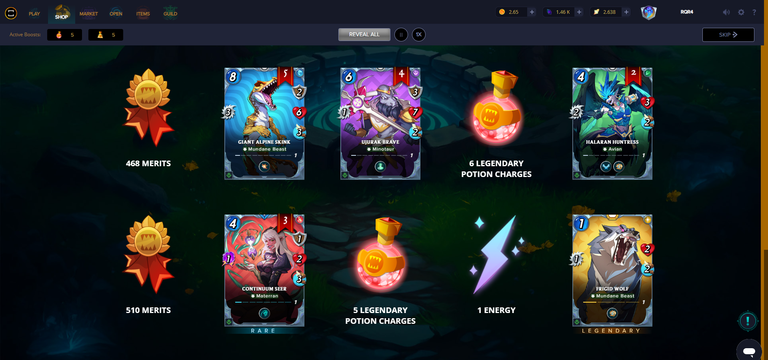
Opening packs is one way to obtain cards, besides exchanging Glint and other resources available in Splinterlands. When enough cards are collected, they can all turn into assets that keep generating income—even when you’re on vacation.
Because the principle is simple: not every card needs to be played. Many of them actually work harder when you let them be rented out. Especially Legendary cards and high-level Summoners that other players need for tournaments, brawls, or climbing ranks. Rentals can be done through the in-game market or sites like PeakMonsters.
The cards work, while we sleep. Not big, but consistent. And consistency is often more important than excitement.
4. Referrals: Work Once, Harvest for a Long Time
If you have acquaintances or a community, this method is worth considering. The Splinterlands affiliate program gives you a portion of every referral purchase: spellbooks, packs, land, or potions. The numbers are small at first, but they can grow without much intervention.
You don’t need to be an influencer with thousands of followers. Sometimes one or two friends who truly play seriously are enough. Slowly, but steadily flowing. Like planting a tree—not fast, but the shade lasts a long time.
Closing
Splinterlands in 2026 is not about getting rich overnight. It’s about options. About staying productive between daily jobs. About people who work from home. About those who want to play, but also think.
As the elders used to say: a little, done regularly, is better than a lot that’s only ever talked about.
In Splinterlands, cards can run out. Tokens can fall. And in an increasingly noisy world, sometimes simply surviving already counts as a win.
May we all be happy in 2026.

Talk about Splinterlands,
If you haven't tried out this fantastic game called Splinterlands yet, I invite you to Join.
It's free, but you'll need to invest in a beginning deck or buy gaming cards to gain real assets like cards and tokens.
If you already joined the splinterlands, and are looking for a place to grow. We need YOU. We are a chill, social guild looking for a few more active members! If you think you might be a fit, join us in our Discord