Greetings, friends.
From a young age, I learned the difference between being punished and suffering the consequences of my actions. Now, as a mother, I try to teach my son not through punishment, but through the lessons learned from the consequences of his actions.

Let me explain. In my experience, a punishment is something external that is imposed. If you didn't do your homework, you couldn't watch television. If you misbehaved, you were grounded.
Punishment may teach, it may not. Often, the only thing it teaches is to be more careful so as not to get caught next time. The central problem is this: when a child is punished, this period has an expiration date. It is imposed against their will, out of obligation. The child doesn't internalize why what they did was wrong; they only internalize the discomfort of the punishment. Then, when the punishment ends, they can go on with their life normally, as if a debt had been paid and the matter settled.
There is no real connection between the action and the correction. It's a system of exchange: "I did something wrong, I 'paid' with my TV time, and now I'm free."

Consequences are something else entirely. They are not a bargaining chip. They are the natural, logical, and direct result of a decision. If they don't study, the consequence is that they don't know the lesson and they fail. If they are disrespectful to a friend, the consequence is that the friend distances themselves and they are left alone. My job as a mother isn't to shield him from these consequences, but to allow him to experience them within a safe environment. Sometimes, I even have to facilitate them, which is much harder than simply yelling a punishment.
It requires me to restrain myself, to stop overprotecting him, and to trust that the world will teach him a more powerful lesson than I ever could.

However, by making my son face and experience the consequences of his actions, he will internalize what he did wrong. The pain of a bad grade that he knows he could have avoided is different from the frustration of not being able to play.
The loneliness he feels after losing a classmate because of his bad behavior is more instructive than any lecture I could give him. This wrongdoing will hurt him, and he will consciously correct it, not out of obligation.
The motivation to change will not come from me, the watchful and punishing one, but from his own desire to avoid that negative outcome again. He learns autonomy, responsibility, and the law of cause and effect that governs adult life.
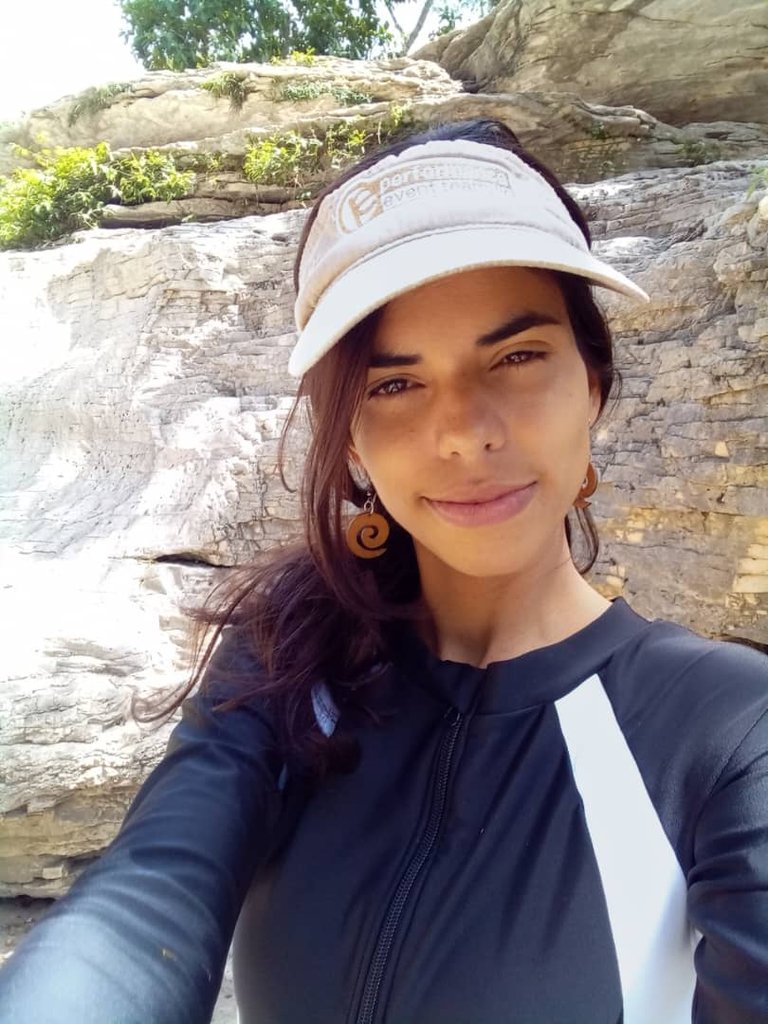
Punishment breeds resentment toward authority. Consequences foster self-reflection. One teaches obedience; the other, wise choice.
My goal is not to raise a child who blindly obeys me, but a future adult capable of self-governance, who can foresee the consequences of their decisions and act appropriately even when no one is watching, because they have learned firsthand that their actions have real weight.
That is the kind of learning that lasts. It is uncomfortable, it is slow, and sometimes it hurts more than swift punishment, but it is the only kind that builds character.

Saludos, amigas.
Desde pequeña aprendí bien la diferencia entre ser castigada o sufrir las consecuencias de mis actos. Ahora, como madre, trato de que mi hijo aprenda, no a base de castigos, sino a través del aprendizaje que traen las consecuencias de sus actos.
Me explico. En mi experiencia, un castigo es algo externo que se impone. Si no hacías los deberes, no veías la televisión. Si te portabas mal, te quedabas sin salir.
El castigo puede que enseñe, puede que no. Muchas veces, lo único que enseña es a tener más cuidado para no ser pillado la próxima vez. El problema central es este: cuando el niño es castigado, este periodo tiene una fecha de caducidad. Es impuesto en contra de su voluntad, por obligación.
El niño no internaliza por qué está mal lo que hizo; solo internaliza la molestia de la sanción. Entonces, cuando termina el castigo, puede seguir con su vida normalmente, como si se hubiera pagado una deuda y el asunto quedara saldado.
No hay una conexión real entre la acción y la corrección. Es un sistema de intercambio: "Hice algo mal, 'pagué' con mi tiempo de televisión, y ahora estoy libre".
Las consecuencias son otra cosa. No son una moneda de cambio. Son el resultado natural, lógico y directo de una decisión. Si no estudia, la consecuencia es que no sabe la lección y suspende. Si es irrespetuoso con un amigo, la consecuencia es que el amigo se aleja y se queda solo.
Mi trabajo como madre no es aislarlo de estas consecuencias, sino permitir, dentro de un marco seguro, que las experimente. Incluso, a veces, tengo que facilitar que ocurran, lo que es mucho más difícil que simplemente gritar un castigo.
Requiere que yo me contenga, que deje de protegerlo en exceso, y que confíe en que el mundo le dará una lección más poderosa que yo.
Sin embargo, al hacer que mi hijo enfrente, viva las consecuencias de sus actos, es cuando interiorizará qué fue lo que hizo mal. El dolor de una mala nota que él sabe que podría haber evitado es distinto al fastidio de no poder jugar.
La soledad que siente tras perder a un compañero por su mal comportamiento es más instructiva que cualquier sermón mío. Le dolerá esa mala acción y rectificará a consciencia, no por obligación.
La motivación para cambiar no vendrá de mí, vigilante y castigadora, sino de su propio deseo de evitar ese resultado negativo otra vez. Aprende autonomía, responsabilidad y la ley de causa y efecto que rige la vida adulta.
El castigo genera resentimiento hacia la autoridad. Las consecuencias generan reflexión sobre uno mismo. Una enseña a obedecer; la otra, a elegir con sabiduría.
Mi objetivo no es criar un niño que me obedezca a mí ciegamente, sino un futuro adulto que sea capaz de gobernarse a sí mismo, que pueda prever los resultados de sus decisiones y que actúe correctamente incluso cuando nadie está mirando, porque ha aprendido, en su propia piel, que sus actos tienen un peso real.
Ese es el aprendizaje que perdura. Es incómodo, es lento y a veces duele más que un castigo rápido, pero es el único que construye carácter.
Congratulations @daveza! You have completed the following achievement on the Hive blockchain And have been rewarded with New badge(s)
Your next target is to reach 3750 upvotes.
You can view your badges on your board and compare yourself to others in the Ranking
If you no longer want to receive notifications, reply to this comment with the word
STOPSe nota la influencia del cristianismo en tu cosmovisión. Lo que no es ni bueno ni malo, pero sí interesante.