The 17th Century earned the grim nickname The General Crisis because it was a disastrous convergence of unrelated catastrophes happening simultaneously around the globe. This "perfect storm" of human conflict, climatic breakdown, and devastating disease made survival uniquely difficult.
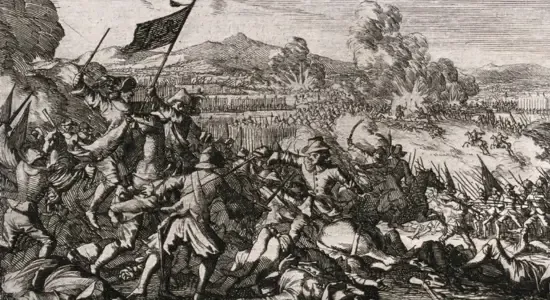
- The Century of Endless War The sheer scale and global reach of human conflict during the 1600s was unprecedented and devastating.
The Thirty Years’ War (1618–1648): This was the main disaster in Europe, dragging in almost every major power. It was one of the deadliest conflicts in European history, resulting in up to 8 million deaths and leaving Central Europe ravaged and depopulated.
Widespread Civil Strife: The chaos was not confined to international borders. Major civil wars erupted across key regions, including the English Civil War and the Fronde civil wars in France.
Global Collapse: The instability extended to Asia, where the mighty Ming Dynasty was collapsing amid foreign invasions and massive peasant revolts. This demonstrates that no major world power was immune to the century's destructive conflicts.
- The Sky Fought Back (Little Ice Age) ❄️ Adding to the human toll, the global climate turned hostile, plunging the world into a disastrous period known as the Little Ice Age. This was not merely cold weather but a widespread climatic crisis, believed to be intensified by volcanic activity.
Climatic Peak: The worst of the cooling reached its peak around 1560 to 1660, centered squarely within the 17th Century.
Agricultural Collapse: The freezing temperatures and erratic weather utterly ruined agricultural production.
Famine and Rebellion: Widespread crop failures led to mass famine and dramatically spiking grain prices. This economic misery fueled political unrest, turning hungry populations against their rulers across both Europe and Asia. As the historian noted about China in 1641, the cold quite literally intensified the existing wars and rebellions.
- The Last Stand of the Plague 🦠 Despite being several centuries removed from the worst medieval outbreaks, the 17th Century saw the final, devastating resurgence of the Bubonic Plague, demonstrating that the great terror was far from over.
The Great Plague of London (1665–1666): This single outbreak claimed over 100,000 lives in just 18 months, wiping out nearly a quarter of London's population.
Other Urban Disasters: Major outbreaks in cities like Naples and Seville were equally lethal, with both locations losing roughly half their inhabitants in mid-century plagues.
The combination of these three factors—endless war, catastrophic climate change, and lethal pandemics—ensured that there was virtually no respite for anyone living between 1600 and 1700, making the General Crisis an accurate term for the most miserable era in history.