
I. The visit
Horace was neither pious nor frivolous: a punctilious, attentive young man, with few words. One windy night, the lock of his room whispered like a shell. The door remained closed, but at the foot of the bed, dust rose—not in a cloud, but in silhouette. A fairy appeared, face like a downpour, hands light as a slur.
"You unknowingly wear part of the Mantle of Responsibility," she said. "This mantle is not for show: it is a fabric of intentions held. Here are the keys. Open the curtain."
She placed in Horace's palm a tiny bunch—not of brass, but of the right words. Horace went to the window. At the first key, the fabric seemed to vibrate; at the second, the fold relaxed; at the third, the curtain moved like a sea. Then, the window ceased to be a pane of glass: it became a threshold.

II. What was invisible
What the eye had never been able to see unfolded. In the alley, on the rooftops, on the cornices, ghosts passed slowly, heavy with archives and habits. Between them and the night, fairies came and went, holding metal threads so fine they seemed like reflections. Horace understood: something was being woven above the city—the Iron Curtain.
“A network of communication,” said the fairy. “It connects consciousnesses, images, and wills. Through it, poets propagate clear verses that guide the masses. Through it, ghosts normalize; through us, the fairies, they borrow light so that the whole appears natural.”
In the distance, flawless verses could be heard, rhythmic like a march. The fairy signaled, "Look closer. They are fighting against us, then with us—depending on the advantage—to keep hold of the Mantle."
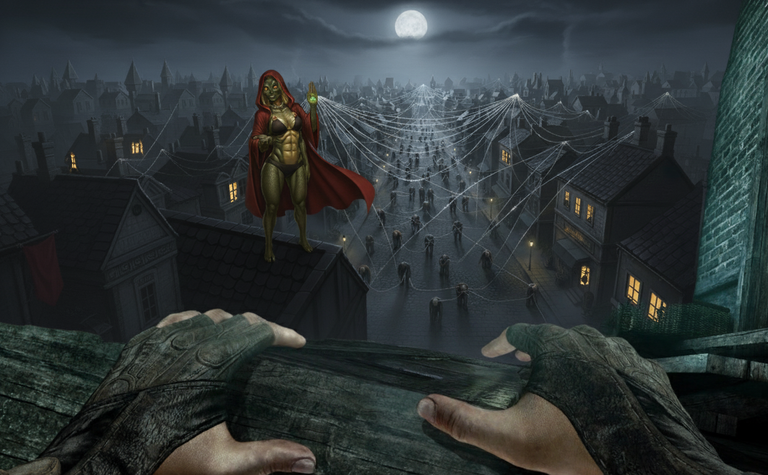
III. The Mantle and the First Charge
Horace felt the Cloak on his shoulders: neither weight nor glory, but an inner garment. He discovered that each promise kept strengthens a piece of the fabric; that each vain word makes a tear in it. The fairy, stern and gentle:
"You were chosen because you didn't beg to be chosen. The Mantle doesn't like drums."

Outside, the ghosts were tightening the iron curtain, and the poets—very clever little assistants—were refining the metrics of a world without clashes. Horace then felt a dry dust fall without a cloud: forbidden gnosis. It wetted nothing; it clarified everything.
IV. Forbidden Gnosis, True Power
Gnosis entered through the mouth, unsealed the thorax, and brought air back into speech. Beneath the sternum, something ceased to leak: true power—not control, but the sober sovereignty of one who attunes himself to Time. Horace saw the naked logic: the iron curtain was not just a trap; it was an instrument. One could pass through it the right song as well as the command.
He summoned three friends—discreet, curious, patient. To each, he gave one of the small keys he had received. They drew the curtains of their rooms. The city suddenly had new landings; the stairs led elsewhere; the roofs served as relays. The four of them recognized each other: the children of the night.
V. Children of the Night Learn to See
The fairy returned:
"Now you see the ghosts at work—sometimes against us, sometimes with us—you see the fairies weaving in spite of everything. Try to hold on more than you judge. Time will take care of the rest."
They traveled the city along the cornices, learned the rhythm of images, the inclination of verses, the breathing of crowds. Horace learned to divert the plot without breaking it: a blank in a poem, a pause in an instruction, a nuance in a rule - and the Mantle breathed better.
"What you saw as enemies are only functions," said the fairy. "To ghosts, the Archives; to fairies, the Thresholds; to poets, images; to children of the night, intonation."
VI. The Bird's Prophecy
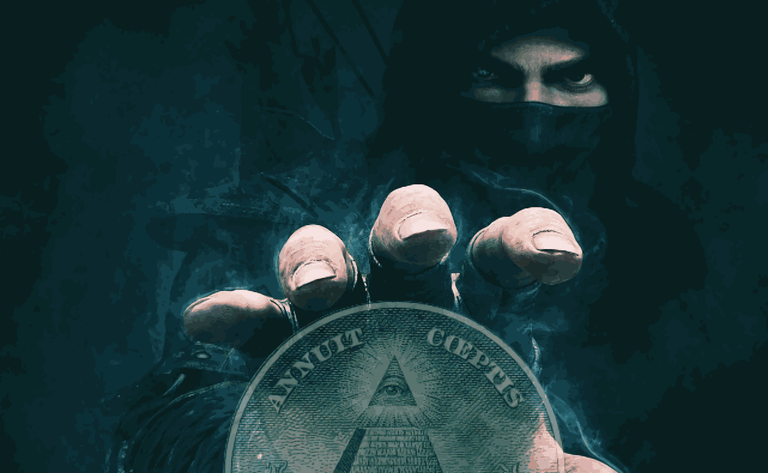
One very clear night, the fairy revealed a fragment of a map—neither parchment nor screen, but fixed foam. It read three lines: Sea—Bird—City.
"The bird of light will indicate the position of the city of gold. It lies in the ocean; it will resurface from the waves if you learn to activate the bird."
"How?" asked Horace.
“With what you already possess: true power, forbidden gnosis, poets—and the agreement of Time. The bird does not call itself; it wakes up when the city sings in tune.”
VII. Activate the bird
Horace understood that activation was not a button but a series of exact actions: giving each person their function, lightening the iron curtain without destroying it, entrusting poets with blank verses that let the light through, reassigning the office of the Archives to ghosts, and above all, keeping one's commitments without seeking drama.
He described all this to his friends through the poets: they wrote quatrains that made you want to slow down, epigrams that released anger, refrains where rhythm took the place of noise. The iron curtain vibrated differently: same network, different music.
VIII. The Chain and Time
Time did not applaud; it supported. A chain reaction was triggered not by tumult, but by contagion of the nick of time: a guard spoke more quietly, a prefect signed later, a child put away his phone to listen to the papers. The ghosts, deprived of influence but not of usefulness, regained a sober dignity. The fairies stopped negotiating; they welcomed.
IX. Dawn on the Waves
They went down to the shore, the children of the night each carrying a piece of the Cloak. The horizon bent without a clatter. Far out at sea, something rose: first a corner, then a terrace, then an avenue—the city of gold, dripping with clear water. Then the bird of light split the air—not to land, but to show. With a single stroke, it indicated the central alley, traced the road of thresholds, and went back up to where the signs come from.
The fairy said to Horace:
“You have conquered nothing, you have granted. The City is neither trophy nor refuge; it is consequence. Wear the Cloak loosely.”
X. To Obtain
Horace returned home and the room seemed larger. The window curtain was no longer a wall; it was a score. He put the keys away, not in a box, but in a sentence he promised himself he would keep:
“What imposes itself dies; what proposes remains.”
So when he was asked where the city of gold was, he would reply:
"To the height of our attire. At sea, yes; but above all, within us, when words coincide with actions."
And it is said that on very clear nights, the bird of light soars without beating its wings, and that the sea recedes a little to let the terraces breathe. Those with good ears no longer hear the creaking of the iron curtain: they hear the discreet rustling of the Cloak that is entrusted, each morning, to new shoulders.
En français :
I. La visite
Horace n’était ni pieux ni frivole : un jeune homme exact, attentif, peu bavard. Une nuit de vent clair, la serrure de sa chambre chuchota comme un coquillage. La porte demeura close, mais au pied du lit, la poussière se leva — non en nuage, mais en silhouette. Une fée apparut, visage d’averse, mains légères comme une phrase tenue.
— « Tu portes sans le savoir une part du Manteau de responsabilités », dit-elle. « Ce manteau n’est pas d’apparat : c’est un tissu d’intentions tenues. Voilà les clés. Ouvre le rideau. »
Elle posa dans la paume d’Horace un trousseau minuscule — non de laiton, mais de mots justes. Horace alla vers la fenêtre. À la première clef, l’étoffe parut vibrer ; à la seconde, le pli se détendit ; à la troisième, le rideau bougea comme une mer. Alors, la fenêtre cessa d’être vitre : elle devint seuil.
II. Ce qui était invisible
Ce que le regard n’avait jamais su voir se déploya. Dans la ruelle, sur les toits, aux corniches, les fantômes passaient lentement, lourds d’archives et d’habitudes. Entre eux et la nuit, des fées allaient et venaient, tenant des fils métalliques si fins qu’on les croyait des reflets. Horace comprit : on tissait quelque chose au-dessus de la ville — le rideau de fer.
« Réseau de communication, dit la fée. Il relie consciences, images et volontés. Par lui, les poètes propagent des vers nets qui orientent les foules. Par lui, les fantômes normalisent ; par nous, les fées, ils empruntent de la lumière pour que l’ensemble paraisse naturel. »
Au loin, on percevait des strophes impeccables, rythmées comme une marche. La fée fit signe : « Regarde mieux. Ils luttent contre nous, puis avec nous — selon l’avantage — pour garder la main sur le Manteau. »
III. Le Manteau et la première charge
Le Manteau, Horace le sentit sur ses épaules : ni poids ni gloire, mais une tenue intérieure. Il découvrit que chaque promesse tenue consolide un pan du tissu ; que chaque parole vaine y fait une déchirure. La fée, sévère et douce :
« On t’a choisi parce que tu n’as pas quémandé d’être choisi. Le Manteau n’aime pas les tambours. »
Dehors, les fantômes resserraient le rideau de fer, et les poètes — petits assistants très intelligents — affinaient la métrique d’un monde sans heurts. Horace sentit alors une poussière sèche tomber sans nuage : la gnose interdite. Elle ne mouilla rien ; elle éclaircit tout.
IV. La gnose interdite, le vrai pouvoir
La gnose entra par la bouche, descella le thorax, remit de l’air dans la parole. Sous le sternum, quelque chose cessa de fuir : le vrai pouvoir — non l’emprise, mais la souveraineté sobre de celui qui s’accorde au Temps. Horace vit la logique nue : le rideau de fer n’était pas seulement un piège ; c’était un instrument. On pouvait y faire passer le chant juste autant que la consigne.
Il convoqua trois amis — discrets, curieux, patients. À chacun, il remit une des petites clés reçues. Ils tirèrent les rideaux de leurs chambres. La ville, soudain, eut des paliers nouveaux ; les escaliers menaient ailleurs ; les toits faisaient relais. Eux quatre se reconnurent : les enfants de la nuit.
V. Les enfants de la nuit apprennent à voir
La fée revint : « Vous voyez désormais les fantômes à l’œuvre — parfois contre nous, parfois avec nous —, vous voyez les fées tissant malgré tout. Tâchez de tenir davantage que vous ne jugez. Le Temps se charge du reste. »
Ils parcoururent la ville par les corniches, apprirent le rythme des images, l’inclinaison des vers, la respiration des foules. Horace apprit à détourner la trame sans la rompre : un blanc dans un poème, une pause dans une consigne, une nuance dans une règle — et le Manteau respirait mieux.
« Ce que vous voyiez comme ennemis ne sont que fonctions », dit la fée. « Aux fantômes, les Archives ; aux fées, les Seuils ; aux poètes, les images ; aux enfants de la nuit, l’intonation. »
VI. La prophétie de l’oiseau
Une nuit très claire, la fée dévoila un fragment de carte — ni parchemin ni écran, mais un écume fixée. On lisait trois lignes : Mer — Oiseau — Cité.
« L’oiseau de lumière indiquera la position de la cité d’or. Elle gît dans l’océan, elle ressurgira des flots si vous apprenez à activer l’oiseau. »
« Comment ? » demanda Horace.
« Avec ce que tu possèdes déjà : le vrai pouvoir, la gnose interdite, les poètes — et l’accord du Temps. L’oiseau ne s’appelle pas ; il se réveille quand la ville chante juste. »
VII. Activer l’oiseau
Horace comprit que l’activation n’était pas un bouton mais une suite d’actes exacts : rendre à chacun sa fonction, alléger le rideau de fer sans le détruire, confier aux poètes des vers à blancs qui laissent passer la lumière, réassigner aux fantômes l’office des Archives, et surtout, tenir ses engagements sans chercher le théâtre.
Il décrivit tout cela à ses amis par l’entremise des poètes : ils rédigèrent des quatrains qui donnaient envie de ralentir, des épigrammes qui dénouaient les colères, des refrains où la mesure prenait la place du bruit. Le rideau de fer vibra autrement : même réseau, autre musique.
VIII. La chaîne et le Temps
Le Temps n’applaudit pas ; il soutint. Une réaction en chaîne se déclencha non par tumulte, mais par contagion de justesse : un gardien parla plus bas, un préfet signa plus tard, un enfant rangea son téléphone pour écouter les feuilles. Les fantômes, privés d’emprise mais non d’utilité, retrouvèrent une dignité sobre. Les fées cessèrent de négocier ; elles accueillirent.
IX. L’aube aux flots
Ils descendirent à la grève, les enfants de la nuit portant chacun un pan du Manteau. L’horizon s’infléchit sans fracas. Au large, quelque chose se leva : d’abord un angle, puis une terrasse, puis une avenue — la cité d’or, dégouttante d’eau claire. Alors l’oiseau de lumière fendit l’air — non pour se poser, mais pour montrer. D’un seul trait, il indiqua l’allée centrale, dessina la route des seuils, et remonta là d’où viennent les signes.
La fée dit à Horace :
« Tu n’as rien conquis, tu as accordé. La Cité n’est ni trophée ni refuge ; elle est conséquence. Porte le Manteau sans le serrer. »
X. Tenir
Horace rentra chez lui et la chambre parut plus grande. Le rideau de la fenêtre n’était plus un mur ; c’était une partition. Il rangea les clefs, non dans un écrin, mais dans une phrase qu’il se promit de garder :
« Ce qui s’impose meurt ; ce qui propose demeure. »
Dès lors, quand on lui demandait où se trouve la cité d’or, il répondait :
« À la hauteur de notre tenue. Sur mer, oui ; mais surtout, en nous, quand la parole coïncide avec l’acte. »
Et l’on dit qu’aux nuits très claires, l’oiseau de lumière plane sans battre des ailes, et que la mer recule un peu pour laisser respirer les terrasses. Ceux qui ont de bonnes oreilles n’entendent plus le grincement du rideau de fer : ils entendent le froissement discret du Manteau que l’on confie, chaque matin, à de nouvelles épaules.
Complexe à lire pour quelqu'un qui est aphantasique car trop imagé pour moi.
Mais je souligne l'imagination de l'auteur et sa technique.
!INDEED
Your post has been manually reviewed for curation by the Principality of Bastion.
Principality of Bastion - Our Leit Motiv? Uniti Crescimus.
Principality's site | Minava NFT Market | Discord | Our Twitch Channel
You may TRAIL this account (or @hive-143869) if you like the curation we do, or join our discord to know more about what we do.
Comment readers : Your post can be curated too using #BASTION to interact with our community or #FR if you speak French.
^ ^